Charger / EVEC Home Charger
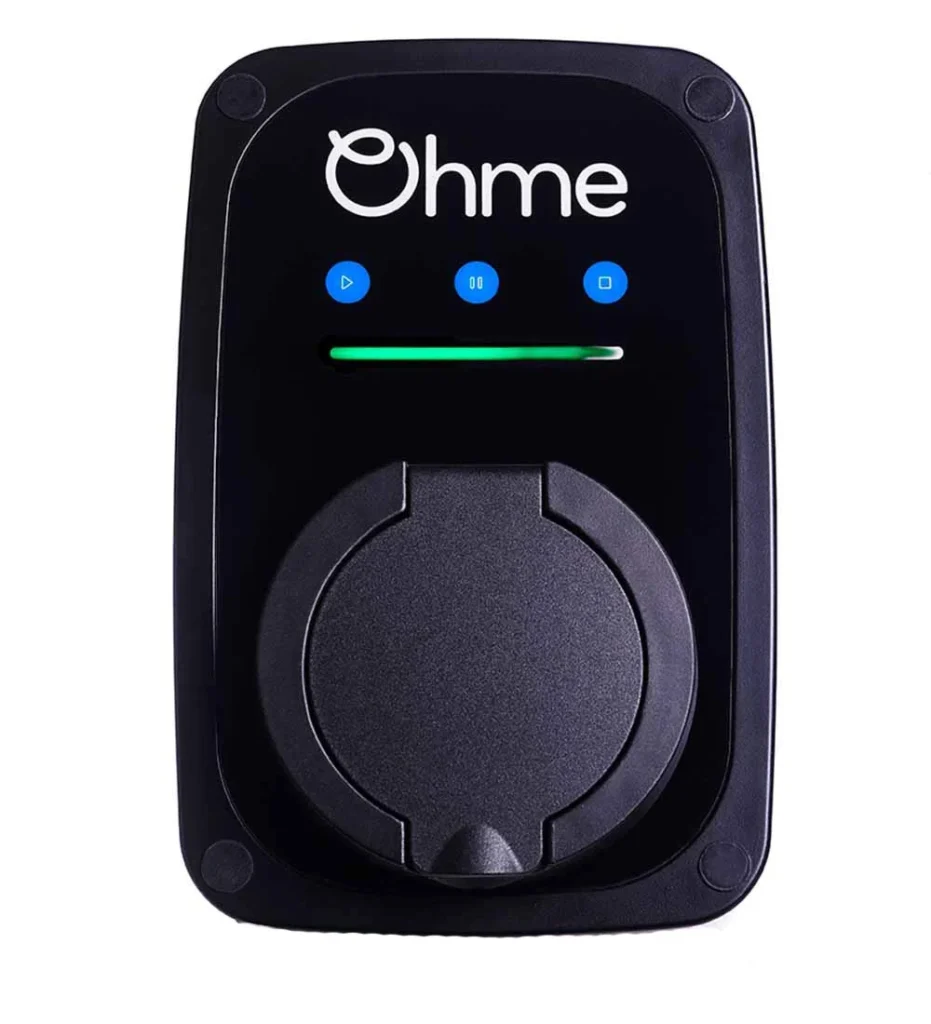
EVEC Home Charger
EVEC Home Charger
British-made designer charger with hidden cable
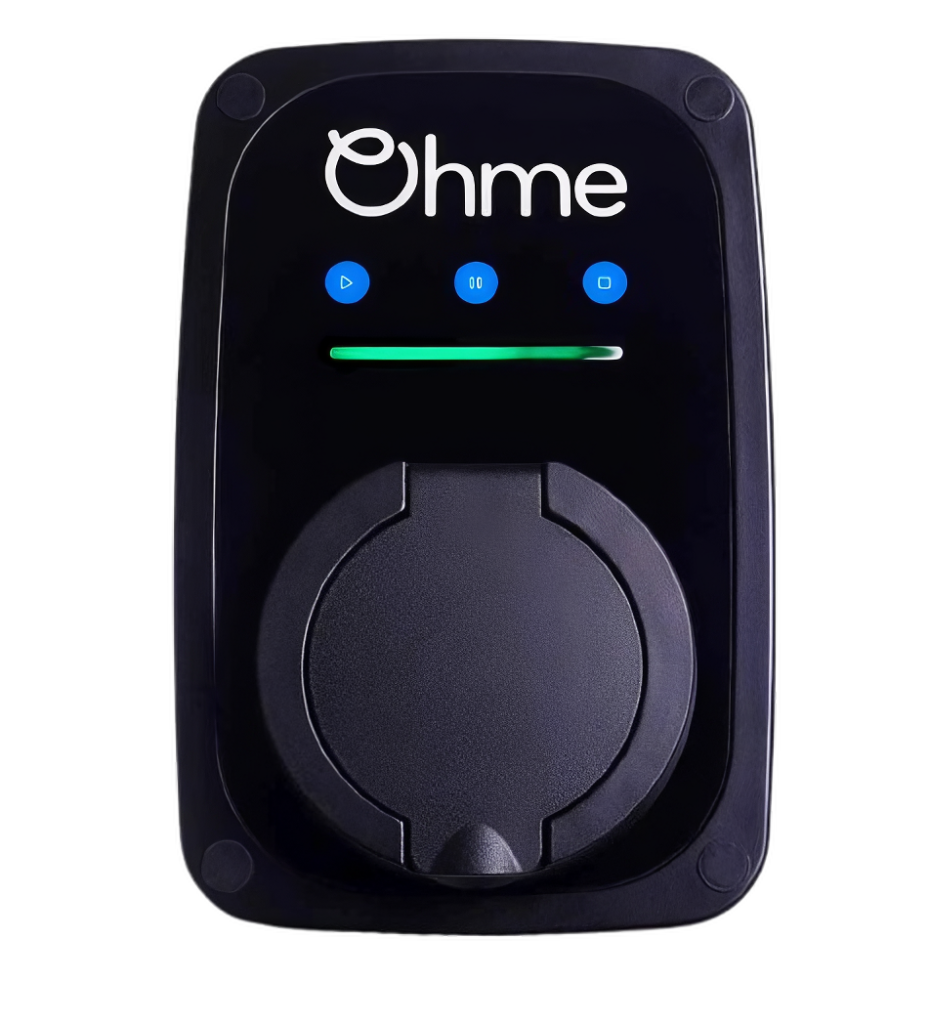
The Ohme ePod brings all the smart features found on the Home Pro but with the benefits of an untethered charge point. Ohme’s smart software can automatically charge during the off-peak times of your electricity tariff, saving you money. You can even set a max price cap so that you never charge during peak times.
- OZEV grant eligible
- Auto-syncs with energy tariff
- Built-in 4G
- 5-year warranty

Free Delivery
OZEV install included
3-year guarantee
Designed and built in Britain, the A2 hides the cable inside the unit and offers customisable fascias to match your home. Premium materials, premium experience.
Every charger listed is supplied and installed by our OZEV-approved engineers. A typical installation takes 3–4 hours and includes:
- Free remote pre-installation survey
- Up to 15m of cable run from your consumer unit
- Type A RCBO protection device
- Earth rod installation (if required)
- Charger commissioning, app pairing and walkthrough
- DNO notification and Building Regs compliance certificate
Hardware
Power output - 7.4kW
Connectivity - 4G
Solar Compatibility - Yes
New Ohme ePod units come with a CT clamp meaning that it can divert any excess energy generated from your solar panels and use it to charge your car, as long as the correct conditions are met.
Universal Socket
Plus, you’ll have the benefit of being able to choose your own cable length.
We sell 5-metre and 10-metre cables, which you can purchase separately or at the checkout when purchasing your ePod.
Built-in earthing protection
Warranty - 3 years
Added security - Approve individual charge sessions
Dynamic load balancing
The Ohme ePod comes pre-wired for dynamic load balancing, which means it will monitor the electrical demand on your property and adjust its own power output to protect the main fuse.
Though many homes do not require this, it’s useful to know you can utilise this feature in the future if needed.
Software
Smart Scheduling - Yes
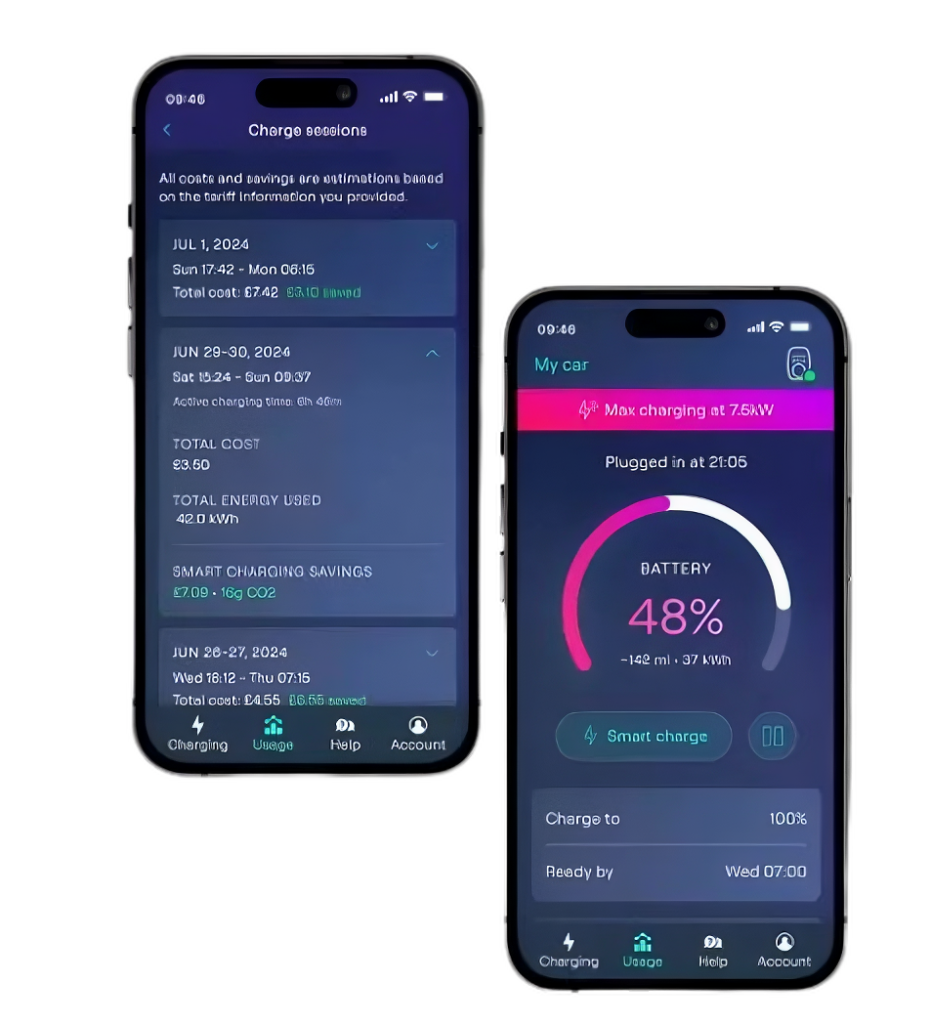
Tell the Ohme app which energy tariff you’re on and Ohme will automatically find your energy rate costs saving you having the hassle of finding an old energy bill and entering them yourself.
Once Ohme knows your energy rates, you can then set a max price cap so that your charger will automatically start and stop charging to coincide with your energy tariff’s cheapest rates, saving you money.
You can even set a target charge percentage, which the Ohme will try to charge your EV to during your tariff’s off-peak rate*
*Depending on the make and model of your car, the Ohme charger will be able to automatically read the vehicle’s battery percentage. Please check the API list located in the FAQ section to see if your vehicle works with this feature.
Cost tracking - Yes
Track car charging costs, start and stop times and energy usage of past EV charging sessions with the Ohme app’s built-in charging session tracker.
Intelligent Octopus Compatible
Take advantage of Intelligent Octopus Go’s super-cheap off-peak energy rate of 7.5p per kWh, even if your EV is not on Octopus’ compatibility list when you choose any Ohme EV charger (including the ePod).
Ohme ePod FAQ
Is my Electric vehicle on the API list?
Some car manufacturer’s provide an API (Application Programming Interface), which allows your Ohme ePod to access certain information about your car, such as its battery percentage.
Cars that support this function allow your Ohme ePod to automatically charge it to the target percentage you set on your Ohme’s smartphone app.
Those manufacturers are:
- Audi
- BMW
- Cupra
- Hyundai
- Land Rover
- Kia
- Mini
- Nissan
- Renault
- Skoda
- Tesla
- Volkswagen
- Volvo
If you’re car’s manufactuer isn’t on the list above, then you will need to create a schedule that specifies how much charge you would like to add to the current charge percentage of your vehicle.
For example, if you return home with 20% charge in your vehicle (Most will display the battery percentage on its infotainment screen or a dedicated app if it has one) and you want to top it up to 80%, then you will need to create a schedule with a target charge of 60%.
Can I use the Ohme ePod with a Type 1 cable?
Yes you can.
The Ohme ePod features a universal socket, which means that both Type 1 and Type 2 cables can be used.
Does the Ohme ePod come with a cable?
No, you’ll need to either already have a EV charging cable or purchase one separately.
We have a range of 5m and 10m charging cables on our EV accessories page, all of which are compatible with the Ohme ePod.
Is there a 22kW version of the Ohme ePod?
No, the Ohme ePod is only available as a 7.4kW unit. Most UK residential properties however cannot make use of 22kW EV chargers anyway and 7.4kW is more than enough for the majority of EV drivers. Find out why in our guide to 22kW three-phase charging.
Is the Ohme ePod EV Charger "weather-proof"?
The Ohme ePod is rated at IP55 for water ingress and is designed to work outside in all weathers.
How do I pair the Ohme ePod with the Ohme app?
As part of our standard installation, our engineers will complete the initial app setup on the day of installation.
Is the Ohme ePod available in different colours?
No, the Ohme ePod is only available in black currently.
Dynamic load balancing
The Ohme ePod comes pre-wired for dynamic load balancing, which means it will monitor the electrical demand on your property and adjust its own power output to protect the main fuse.
Though many homes do not require this, it’s useful to know you can utilise this feature in the future if needed.